
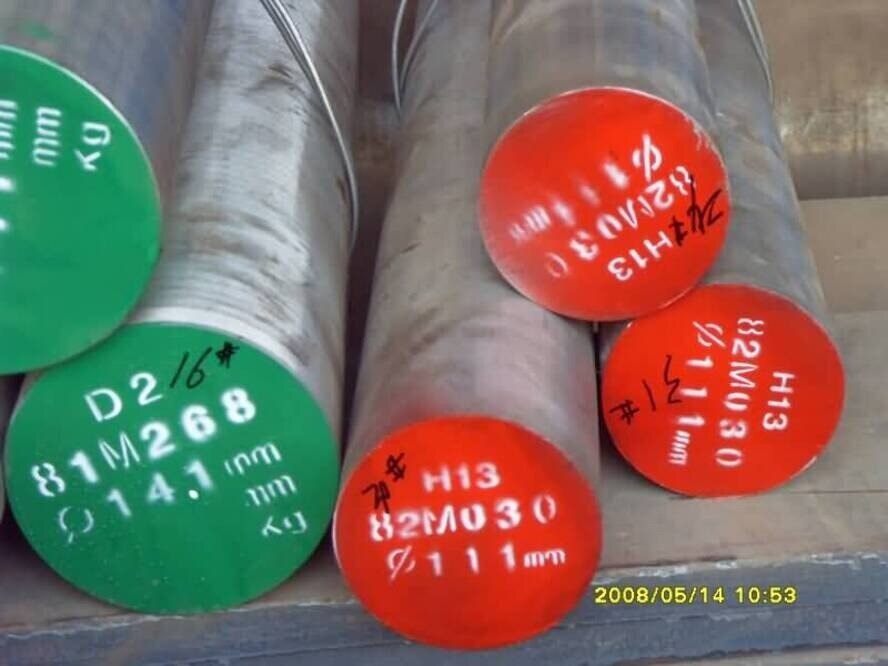
AISI 1010 is easy to weld and machine, but its low carbon content does not make it pressure-rated, corrosion-resistant, or suitable for sour service by default. You will be able to match the grade to specific refinery, terminal, pipeline, tank-farm, offshore-support, and petrochemical components, then define the documents and tests required before purchase.
Key takeaways
- Confirm chemistry, product form and standard edition before approving AISI 1010.
- Use qualified welding procedures and control corrosion exposure in Mumbai-area service.
- Reserve AISI 1010 for suitable low-pressure, non-critical components.
- Specify tests, dimensions, certificates and traceability in your purchase request.
What AISI 1010 chemistry and product condition actually mean
AISI 1010 identifies a nominal chemistry, not a complete purchase. It is plain low-carbon steel: 0.08–0.13% carbon, 0.30–0.60% manganese, maximum 0.040% phosphorus and 0.050% sulfur. Confirm the exact limits against the product standard and edition quoted.
Ask whether the material is certified to ASTM A29/A29M or ASTM A108, where applicable, rather than sold only as SAE/AISI 1010. For pressure-containing equipment, the specified ASTM or ASME material controls; similar chemistry does not authorise substitution.
The product condition changes what you receive:
- Hot-rolled stock can have a rougher surface, wider dimensional variation and different residual stress from bright bar.
- Cold-finished or cold-drawn stock offers tighter tolerances and a different strength, hardness and machinability profile.
- Annealed material is softer and easier to machine.
- Normalized material has a specified heat-treatment history that affects its mechanical results.
Therefore, a quotation for AISI 1010 steel bars in Mumbai must state product form, dimensions, condition, tensile strength, yield strength, elongation and hardness requirements. Request the heat number, heat and product analyses, dimensional tolerances, surface condition, test results and supplementary inspection statement.
For sour-service or safety-critical equipment, also verify the specified heat treatment, hardness and NACE MR0175/ISO 15156 compliance; the grade name alone proves none of these.
How AISI 1010 behaves during welding and exposure to Mumbai-area fluids
AISI 1010 welds reliably because its low carbon content reduces hard, crack-prone weld microstructures and hydrogen-assisted cracking compared with medium- and high-carbon steels. That advantage does not replace a qualified welding procedure: remove oil, rust and moisture, control consumable hydrogen, account for joint restraint, and inspect the weld and heat-affected zone.
Preheat and post-weld heat treatment depend on thickness, restraint, procedure and service requirements.
Fluid exposure changes the decision:
- Dry crude oil and dry natural gas usually do not attack carbon steel rapidly. Water, sediment, organic acids and dissolved gases inside the stream create the corrosion risk.
- Mumbai humidity, rain and salt-laden air can rust unprotected 1010 stock, especially around crevices and damaged paint. Use a specified coating system, corrosion allowance, plating where appropriate, or isolation from dissimilar metals.
- Chloride-bearing water promotes pitting and under-deposit corrosion; stagnant water is worse than flowing, clean water.
- Mineral acids and acidic process condensate can corrode 1010 quickly. Concentration, temperature, flow and inhibitors must be checked rather than assumed from the chemical name.
- Caustic soda requires a concentration- and temperature-specific review because carbon steel can suffer caustic corrosion or stress-corrosion cracking.
- Wet hydrogen sulphide is a sour-service hazard. The phrase AISI 1010 for petrochemical companies does not prove compliance with NACE MR0175/ISO 15156; verify hardness, weld condition, heat treatment and environment.
For pressure or safety-critical service, match the code-listed specification and obtain traceable test records before approving the material.
Which oil and gas components can use AISI 1010
Use AISI 1010 for non-pressure parts carrying low to moderate loads, where design stresses, wear, corrosion, and temperature remain controlled. Brackets, small supports, guards, spacers, sleeves, and utility hardware are reasonable applications.
Shafts and pins require a separate check for bending, fatigue, bearing pressure, and surface wear; choose a stronger or harder grade if those loads govern.
| Component | Reasonable use | Rule-out condition |
|---|---|---|
| Brackets and supports | Instrument stands, cable supports, light structural attachments | Sustained high loads, severe vibration, or direct corrosive exposure without protection |
| Shafts and pins | Low-speed, lightly loaded mechanisms and removable locating pins | High torque, impact, fatigue, abrasive contact, or high hardness requirement |
| Guards and sleeves | Covers, barriers, spacers, and formed non-pressure parts | Severe outdoor corrosion, galvanic contact, or frequent abrasive cleaning |
| Utility parts | Low-pressure, non-critical service hardware away from sour fluids | Hydrogen sulphide exposure, high chloride immersion, or elevated-temperature strength demand |
| Pressure parts | Only where the governing code specifically permits the purchased specification | Valves, flanges, pressure vessels, well-control equipment, and pressure piping without code acceptance |
Pressure, sour-service, and temperature requirements can rule out AISI 1010 even when its chemistry appears suitable. NACE MR0175/ISO 15156 compliance needs documented hardness, heat treatment, weld condition, and environmental limits; the grade name proves none of these. In Mumbai’s humid, salt-influenced environment, protect exposed parts with coating, plating, corrosion allowance, or isolation.
For aisi 1010 steel for oil and gas companies in mumbai, specify the exact ASTM or ASME product standard and traceable test records.
How AISI 1010 compares with common oil and gas grades
For a non-pressure bracket or guard, AISI 1010 can be the economical choice. For pressure-retaining, sour-service, cryogenic, or code-controlled equipment, select the specified ASTM or ASME material instead; similar chemistry does not make grades interchangeable.
| Grade | How it compares with AISI 1010 | When it applies |
|---|---|---|
| AISI 1018 | More carbon and usually higher strength; still weldable, with less machining ease than 1010 | General shafts, pins, and machine parts where strength matters |
| AISI 1020 | Higher carbon and strength potential than 1010; condition controls the result | Machined parts and lightly loaded shafts |
| AISI 1045 | Much higher strength and hardness potential, but more difficult welding and greater cracking risk | Wear-resistant or heavily loaded shafts, not casual welded fabrication |
| ASTM A36 | Structural-steel specification, not a substitute for a certified 1010 bar | Supports, baseplates, and frames designed to A36 |
| ASTM A106 | Seamless carbon-steel pipe specification for elevated-temperature service | Process piping; use the specified grade and schedule |
| ASTM A105 | Forged carbon steel for flanges, fittings, and pressure parts | Pressure components requiring the listed forging specification |
| ASTM A350 LF2 | Impact-tested low-temperature carbon-steel forging grade | Flanges and fittings exposed to low design temperatures |
| Stainless steel | Chromium alloying provides passivation; 1010 does not | Wet, chloride-rich, or corrosive service when the selected stainless grade is compatible |
Check the governing design code, temperature, pressure, corrosion allowance, and sour-service requirements before approving 1010. In Mumbai’s humid, salt-influenced environment, protect exposed 1010 with coating, plating, isolation, or planned corrosion allowance. Insist on a product specification and traceable test certificate, not a chemistry label alone.
What to put in a Mumbai procurement request before approving the grade
Require an AISI 1010 low carbon steel supplier to quote a product specification, not only the grade name. State ASTM A29/A29M or ASTM A108 where applicable, the bar dimensions and tolerance, and the required condition: hot-rolled, cold-finished, annealed, normalized, or cold-drawn.
- Request heat analysis showing carbon, manganese, phosphorus, sulphur, and the limits in the named specification.
- Require tensile strength, yield strength, elongation, and hardness results for the supplied condition.
- Specify visual and surface examination, dimensional inspection, straightness, and surface-finish acceptance criteria.
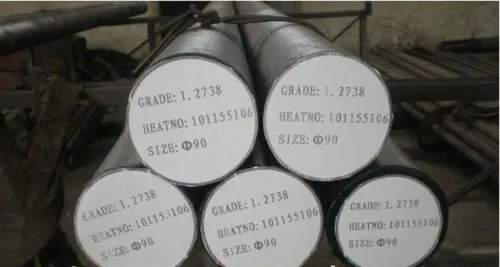
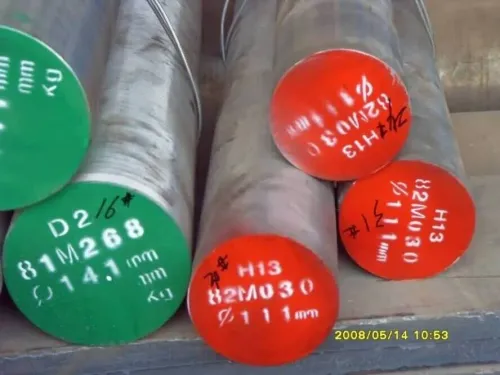
- Require a heat number stamped or tagged on the material and matched to the mill test certificate.
- Request an EN 10204 3.1 certificate; specify independent EN 10204 3.2 inspection when your contract or project code requires it.
- For pressure-retaining or sour-service parts, name the governing ASME or ASTM material specification and NACE MR0175/ISO 15156 requirements. A chemical match does not prove code acceptance or sour-service compliance.
Steel Mart can be evaluated on the same evidence: ask for certificates tied to the actual heat, product form, dimensions, tests, and inspection release rather than accepting a generic specification chart.
| Document | Acceptable evidence | Reject or query |
|---|---|---|
| Product standard | ASTM A29/A29M or ASTM A108, as applicable | “AISI 1010” alone |
| Condition | Named delivery and heat-treatment condition | “As supplied” |
| Traceability | Heat number on certificate and material | Untagged bundles |
| Inspection | Results, acceptance criteria, and release status | Certificate without test values |
Related products
 | Steel Items AISI 1010 LOW CARBON STEEL BARS Supply of AISI 1010 LOW CARBON STEEL BARS by STEEL MART Specification Chart of AISI 1010 Grade can be submitted by STEEL MART on request AISI 1010... View product → |
 | Steel Items SAE 1010 Low Carbon Bright Bar Supply of sae 1010 low carbon bright bar by steel mart specification chart of sae 1010 low carbon grade can be submitted by steel mart on request sae... View product → |
Frequently asked questions
What does AISI 1010 chemistry actually tell an oil and gas buyer?
It identifies nominal low-carbon steel chemistry, including 0.08–0.13% carbon and 0.30–0.60% manganese. Confirm exact limits against the quoted product standard and edition.
How does AISI 1010 behave during welding and exposure to Mumbai-area fluids?
Its low carbon content supports weldability, but the finished item still needs a qualified welding procedure, suitable filler and corrosion assessment for water, chlorides, hydrocarbons and process chemicals.
Which oil and gas components can use AISI 1010?
It suits selected low-stress parts such as simple brackets, supports, spacers and general-purpose machined items when design loads, pressure, temperature and corrosion conditions permit. Do not approve it for pressure-retaining or sour-service duty without the specified code and material qualification.
How should AISI 1010 be compared with common oil and gas grades?
Compare carbon and alloy content, strength, toughness, corrosion resistance, weldability, heat treatment, code acceptance and required impact or hardness tests rather than comparing grade names alone.
What should a Mumbai procurement request include before approving AISI 1010?
State the standard and edition, product form, dimensions, chemistry limits, mechanical properties, heat-treatment condition, tests, surface condition, inspection documents, heat or batch traceability and delivery requirements.