
Choosing SA 516 Grade 70 involves more than comparing tensile strength or price per kilogram. You need to know how its strength, toughness, certification, fabrication requirements and code status affect vessel design, plate thickness, inspection and total manufacturing risk.
Key takeaways
- Grade 70 provides 38 ksi yield strength and 70 ksi tensile strength.
- Confirm the design code, thickness, toughness and welding procedure before fabrication.
- Match the plate heat number, test results and certification documents before production.
- Choose the grade when qualification savings outweigh added material and inspection effort.
What Grade 70 strength adds to an industrial plate
Grade 70 raises the minimum yield strength to 38 ksi (260 MPa) and the minimum tensile strength to 70 ksi (485 MPa).
Grade 60 specifies 32 ksi yield and 60 ksi tensile strength, so sa 516 gr 70 steel can carry more load at the same thickness or meet a pressure-boundary calculation with less plate thickness. The saving is not automatic: the allowable stress comes from the governing construction code, temperature, thickness and design condition.
For ASTM A516 Grade 70 plate, the room-temperature tensile test requires 70–90 ksi (485–620 MPa) tensile strength and at least 17% elongation in 2 inches for plate over ½ inch thick. Plate ½ inch thick or less requires at least 21% elongation in 2 inches. These are minimum specification results, not design strengths.
| Material | Strength basis | Practical distinction |
|---|---|---|
| SA 516 Grade 60 | 32 ksi yield; 60 ksi tensile minimum | Lower strength; thickness may increase |
| SA 516 Grade 70 | 38 ksi yield; 70 ksi tensile minimum | More load capacity or thinner pressure plate |
| ASTM A36 | 36 ksi yield; 58–80 ksi tensile | Structural grade, not pressure-vessel qualification |
| SAILMA 350 or 540 | Structural high-strength plate grades | Strength does not replace ASME pressure-vessel requirements |
| Ordinary carbon-steel plate | Grade-dependent | May lack specified toughness, traceability or code acceptance |
Choose Grade 70 for a qualified pressure-vessel design, not simply because its strength exceeds A36. It is also a toughness-focused pressure-vessel grade, unlike SA 515 Grade 70, which targets higher-temperature service.
Where SA 516 Grade 70 works, and what design must still prove
SA 516 Grade 70 suits welded pressure boundaries in moderate- and lower-temperature service, not every job requiring strong carbon steel. Common SA 516 Gr 70 plate uses include boilers, process vessels, separators, storage vessels, and selected heat-exchanger or reactor components.
These SA 516 Gr 70 applications work when the plate, weld procedure, corrosion allowance, and design code support the actual service.
| Equipment | Why the grade fits | What the design must prove |
|---|---|---|
| Boilers and pressure vessels | Weldable pressure-vessel plate with useful notch-toughness potential | Design pressure, metal temperature, wall thickness, allowable stress, and code compliance |
| Process vessels and separators | Suitable for fabricated shells and heads in controlled-temperature service | Corrosion allowance, cyclic loading, nozzle loads, and weld qualification |
| Storage vessels | Provides a code-material route for pressurised containment | Vacuum or external-pressure stability, relief protection, and minimum design temperature |
| Heat-exchanger or reactor components | Works for selected pressure-retaining parts | Local temperatures, thermal cycling, hydrogen or sour-service exposure, and compatibility with the process fluid |
The grade name does not set the allowable pressure or guarantee impact toughness. Check the following before approving the design:
- Use the applicable ASME BPVC construction rules, including the governing edition, design temperature, thickness-dependent allowable stress, joint efficiency, and hydrostatic or pneumatic test requirements.
- Specify the minimum design metal temperature and Charpy impact requirements, including test temperature, specimen orientation, absorbed-energy acceptance, and exemptions for thickness or service.
- Confirm forming, welding, post-weld heat treatment, corrosion allowance, and any ultrasonic examination requirements in the material order and fabrication procedure.
Fabrication decisions that protect the pressure boundary
Cut SA 516 Gr 70 steel with a controlled thermal process, then remove slag, scale and visibly damaged material from the cut edge. Grind back roughness or hardened areas where the qualified fabrication procedure requires it; an untreated edge can become a crack starter during forming or welding.
Use a qualified fabrication procedure for each route:
- Form thinner plate cold only within the procedure’s bend-radius and thickness limits. Thick or tightly bent plate can retain high residual stress and trigger code-required post-forming heat treatment.
- Hot-forming temperature, holding time and cooling method must protect the specified material condition. Uncontrolled heating can change the delivered microstructure.
- Weld with a qualified WPS that addresses carbon equivalent, thickness, restraint and hydrogen control. Store low-hydrogen consumables as specified, control preheat and interpass temperature, and perform PWHT when the code or WPS requires it.
Choose another grade when the service or qualification basis changes.
| Grade or material | Better choice when | Why SA 516 Gr 70 is not the default |
|---|---|---|
| A36 structural plate | The part is non-pressure structural steel | Structural designation does not establish pressure-vessel qualification. |
| SA 515 Gr 70 | The vessel operates at higher temperature | SA 515 targets high-temperature pressure-vessel service; SA 516 targets moderate and lower temperatures with notch-toughness requirements. |
| Stainless or low-alloy pressure-vessel plate | Corrosion resistance, hydrogen resistance or higher-temperature strength governs | Carbon steel may need excessive corrosion allowance or cannot meet the service envelope. |
| SAILMA 350 or 540 | High-strength structural design controls | Strength alone does not replace pressure-vessel material, toughness and code qualification. |
How to verify the plate before it enters production
Do not release the plate from quarantine until its heat number links the physical material to the original mill test certificate (MTC). The purchase order must state ASME SA-516, Grade 70, thickness, governing ASME BPVC edition, heat-treatment condition, impact requirements and supplementary tests; “SA 516 Gr 70” alone is insufficient.
| Check | Acceptable evidence | Reject or hold when |
|---|---|---|
| Certificate | Original MTC or certified material test report showing heat number, chemistry, yield, tensile strength, elongation, thickness and heat treatment | Certificate is a photocopy without traceability, lists ASTM only when SA-516 is ordered, or omits required impact results |
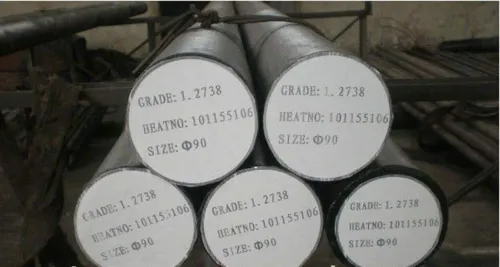
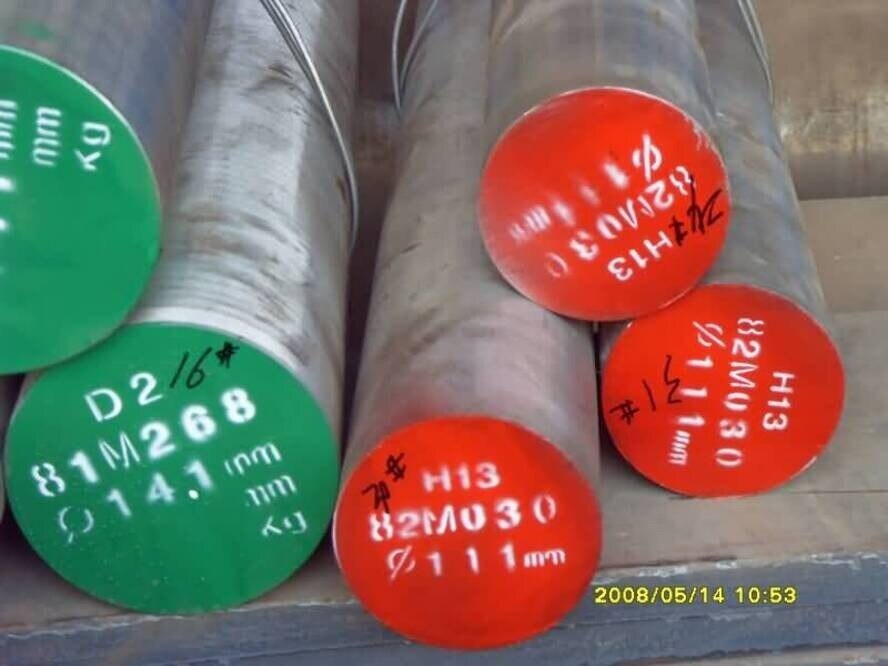
| Marking | Heat number, grade, plate number, dimensions and manufacturer mark stamped or stencilled on the plate | Marking is missing, unreadable, or differs from the MTC |
| Inspection | Thickness mapping, dimensional check, visual inspection and specified ultrasonic testing report | Lamination, serious pitting, edge damage or UT nonconformance appears |
| Condition | “Normalized,” “normalized and tempered,” or “quenched and tempered” matches the order | The delivered condition differs from the specified condition |
Measure thickness at several points, not just the edge; rolling loss, corrosion and local thinning can invalidate the design allowance. Confirm impact-test temperature and absorbed-energy results when the project specification requires them.
For buyers searching sa 516 gr 70 plate for benefits in ahmedabad, local delivery from Steel Mart can reduce cutting and transport delay, but it does not replace heat traceability. After cutting, transfer the heat number to every component and retain the cut map with the MTC.
Related product
 | BQ and Wear Resistant Plates SA 516 Gr 60-70 Boiler Quality Plate SA 516 Grade 60 / Grade 70 Boiler Quality Plate is a pressure vessel quality carbon steel plate designed for medium to low-temperature service. View product → |
When the qualification effort is worth the extra cost
The extra qualification cost earns its keep when the plate will become part of a pressure boundary. A cheaper general structural plate can become more expensive after procurement if it lacks the code certificate, impact data, ultrasonic testing (UT) class, thickness tolerance or heat traceability that fabrication and inspection require.
| SA 516 Gr 70 plate uses | General structural plate |
|---|---|
| Documentation | Mill test certificate identifies SA-516, Grade 70, chemistry, tensile results, heat treatment and thickness; a structural certificate may not cover the vessel code |
| Traceability | Heat number stays linked to each cut piece; lost identity can force retesting, quarantine or rejection |
| Inspection | Contracted UT, impact testing and dimensional checks are recorded before fabrication; missing records shift cost to the shop |
| Transport | Protected lifting, marking and delivery records reduce plate damage and identity loss; local delivery reduces transit time but cannot replace traceability |
| Code review | The purchase order names the governing ASME BPVC edition, thickness, condition and supplementary requirements; “SA 516 Gr 70” alone is incomplete |
That evidence supports SA 516 Gr 70 applications such as boilers, separators and welded pressure vessels, where a failed review can stop production or trigger replacement. It also supports the sa 516 gr 70 applications that require documented forming, welding and post-forming treatment decisions.
Choose the qualification package when rejection would interrupt fabrication, delay inspection or expose a pressure-boundary defect. For a non-pressure frame, platform or bracket, general structural plate may deliver better value after you confirm its design strength, weldability and dimensional requirements.
Frequently asked questions
What strength does SA 516 Grade 70 plate provide?
SA 516 Grade 70 specifies a minimum yield strength of 38 ksi (260 MPa) and tensile strength of 70 ksi (485 MPa).
Where is SA 516 Grade 70 plate used?
It is used for industrial pressure-boundary components when the design, service conditions and applicable construction code approve the material.
What must the design prove before using SA 516 Grade 70?
The design must establish suitability for pressure, temperature, thickness, toughness, corrosion conditions and the governing construction code.
Which documents should you verify before production?
Check the plate marking, heat number, material test certificate, specified chemistry, mechanical test results, dimensions and required inspection records.