
Choosing a pressure-vessel plate involves more than matching a grade number to a vessel drawing. You need to connect strength, toughness, weldability, temperature, corrosion exposure, component design and certification so you can decide where SA 516 Grade 70 fits—and where another material or supplementary requirement controls the purchase.
Key takeaways
- Use 38 ksi yield strength to assess shell thickness and design margins.
- Choose Grade 60 when lower strength meets the design and forming requirements.
- Verify the plate’s heat number, impact tests, MTR, and authorized inspection records.
- Specify thickness, normalized condition, dimensions, testing, and delivery documents before ordering.
Why SA 516 Grade 70 Fits Pressure-Retaining Oil and Gas Equipment
The useful balance is 38 ksi minimum yield strength, 70–90 ksi tensile strength, and 17% minimum elongation in 8 inches for SA 516 Grade 70 plate. That strength supports pressure-retaining shells without the cost of an alloy or stainless grade, while elongation gives fabricators workable ductility during forming and welding.
Normalization and the pressure-vessel specification support resistance to brittle fracture, but the grade alone does not guarantee notch toughness. For low-temperature, thick-wall, or cyclic service, specify Charpy V-notch impact testing at the design temperature and confirm the result on the material test report.
SA 516 Gr 70 plate for oil and gas equipment suits drums, separators, headers, and vessel shells when carbon steel is acceptable and the construction code permits it. The higher strength does not automatically justify thinner plate: corrosion allowance, buckling, fatigue, local loads, minimum wall rules, and allowable stress at temperature can control the design.
Welding remains practical when the qualified procedure addresses:
- Plate thickness, carbon equivalent, and restraint
- Low-hydrogen consumables, storage, and hydrogen control
- Preheat, interpass temperature, heat input, and weld repair
- Post-weld heat treatment where the code, thickness, or service requires it
Do not treat Grade 70 as corrosion-resistant or automatically suitable for wet CO2, chlorides, or hydrogen sulfide. Sour service can require hardness limits, sulfide-stress-cracking qualification, hydrogen-induced-cracking testing, and additional NACE/AMPP project requirements. Avaliable stress still comes from the governing construction code, not the grade designation alone.
When Grade 70 Saves Thickness—and When Grade 60 Still Makes Sense
Choose Grade 70 only when its code-listed allowable stress produces a real design benefit. Its 70 ksi (about 485 MPa) minimum tensile strength and 38 ksi (about 260 MPa) minimum yield strength can reduce shell or head thickness, but you cannot reduce Grade 60 thickness by applying a simple strength ratio.
Use the construction code and design temperature first, then check corrosion allowance, openings, buckling, minimum practical thickness and forming limits.
| Option | Thickness effect | When it makes sense |
|---|---|---|
| SA 516 Gr 70 | Higher strength can reduce pressure-governed thickness and vessel weight | The code allowable stress creates measurable savings after all design checks |
| SA 516 Gr 60 | Lower strength often requires more thickness | Its allowable stress already satisfies the calculation, or thicker plate simplifies forming, welding or procurement |
Grade 60 remains a sound choice when its extra thickness costs less than Grade 70, or when rolling, bending, weld-procedure qualification and available plate sizes control the decision. Neither grade is automatically tougher; specify the impact-test temperature and acceptance requirements you need.
For an SA 516 Gr 70 oil and gas plate, do not assume normalized-and-tempered delivery, vacuum degassing, ultrasonic examination, through-thickness testing or sour-service qualification from the grade name. For sour service, add hardness limits and sulfide-stress-cracking or hydrogen-induced-cracking tests to the purchase requirements. The grade designation alone does not establish those protections.
SA 516 Grade 70 Compared With Other Plate Grades
SA 516 Grade 70 is a pressure-vessel plate, while several commonly compared grades serve structural, pipeline, or different temperature-service roles.
| Grade | Main distinction | What it means in selection |
|---|---|---|
| SA 515 Grade 70 | Similar 70 ksi minimum tensile strength, intended for elevated-temperature pressure vessels | It is not an automatic replacement: SA 516 suits pressure service with specified toughness expectations, while SA 515 requires separate impact and temperature review. |
| API 2H | Normalized offshore structural plate | Choose it for offshore structures and tubular supports, not as a pressure-vessel plate unless the governing code permits it. |
| API 5L | Line-pipe specification for transporting oil, gas, or water | It controls pipe manufacture and testing, not general pressure-vessel plate procurement. |
| ASTM A283 or A36 | General structural carbon steel with lower strength or broader structural use | These grades are suitable for frames and supports, but do not provide SA 516’s pressure-vessel specification. |
| ASTM A572 | High-strength low-alloy structural plate | Its structural strength does not make it a pressure-vessel substitute; verify toughness, welding, and code acceptance separately. |
| SA 516 Grade 60N | Lower-strength normalized pressure-vessel plate | It can suit designs where thickness, temperature, and toughness requirements favour Grade 60 over Grade 70. |
| SA 537 Class 1 | Quenched-and-tempered pressure-vessel plate with higher minimum yield strength | It can reduce thickness, but heat treatment, forming, welding, and code qualification differ from SA 516 Grade 70. |
Do not select on tensile strength alone. Check design temperature, impact-test requirements, corrosion allowance, buckling, fatigue, welding procedure, and the pressure code before treating any grade as interchangeable.
Where the Grade Applies Inside Oil and Gas Equipment
SA 516 Grade 70 suits pressure-retaining carbon-steel parts that operate without the corrosion resistance of stainless or high-alloy materials. Fabricators use the plate for vessel shells, formed heads, separator bodies, drums, headers, nozzles and closures in oil and gas service.
The label “SA 516 Gr 70 boiler quality plate” does not prove suitability for every pressure vessel; the construction code, design temperature and inspection requirements still control.
| Component | Where Grade 70 fits | When to choose separately |
|---|---|---|
| Shells and heads | Separators, knockout drums, surge vessels and process vessels | Check code thickness, allowable stress, forming, heat treatment and minimum design metal temperature |
| Headers and closures | Fabricated pressure-retaining manifolds and end closures | Confirm cyclic loading, weld details, nozzle reinforcement and local stresses |
| Nozzles and pads | Welded attachments made from compatible carbon steel | Evaluate stress concentration, thickness, post-weld heat treatment and dissimilar-metal joints |
| Heat-exchanger shells | Carbon-steel pressure boundaries outside the process stream | Select tube, tubesheet and lining materials for the actual fluid and corrosion mechanism |
Wet CO2, chlorides and hydrogen sulfide require more than a pressure-vessel grade. For sour service, specify hardness limits, sulfide-stress-cracking resistance, hydrogen-induced-cracking testing and any processing restrictions required by the project specification and applicable NACE/AMPP documents.
Make separate material decisions when the equipment has a low design temperature, thick plate, severe cycling or credible brittle-fracture risk. State the impact-test temperature and acceptance criteria; Grade 70 alone does not establish notch toughness.
Use the applicable ASME construction code and temperature range for allowable stress, rather than rating the vessel from yield or tensile strength alone.
How to Specify, Verify and Source the Plate
Write the purchase order around the exact compliance claim: ASME SA-516/SA-516M, Grade 70, required thickness, plate dimensions, delivery condition and quantity. State whether you need normalized-and-tempered plate, vacuum-degassed steel, impact testing, ultrasonic examination, through-thickness testing or sour-service controls; none is automatic.
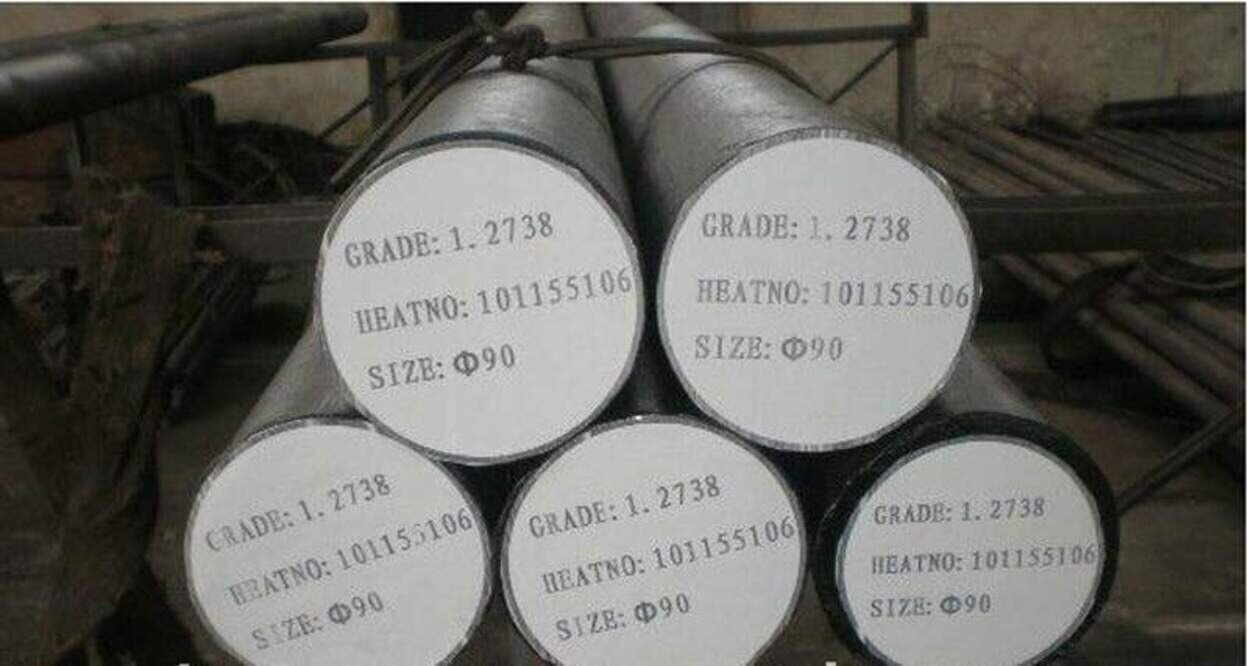
1. Require the original mill test certificate for each heat. Match its heat number, specification, grade and plate thickness to the purchase order and plate marking. Reject “equivalent to SA 516 Grade 70” wording without specification-compliant certification.
2. Check the certificate’s chemical analysis, tensile strength, yield strength, elongation and heat-treatment record. The commonly quoted minimums are 70 ksi (about 485 MPa) tensile strength and 38 ksi (about 260 MPa) yield strength, but elongation depends on thickness and specimen type.
3. Confirm impact results when the order requires them, including test temperature and absorbed-energy acceptance criteria. For sour service, verify the project’s hardness limits, sulfide-stress-cracking requirements, hydrogen-induced-cracking test and NACE/AMPP controls rather than assuming the grade is qualified.
4. Preserve traceability after cutting. Record the original heat number on cut pieces and fabrication documents, and obtain dimensional reports, inspection records and any re-certification required by the code or purchaser.
When comparing a SA 516 Gr 70 supplier in Ahmedabad, ask for heat-number tracking, original certificates, dimensional control and independent inspection capability. Steel Mart is worth evaluating against those documents, not geographic availability or a nominal ASTM-equivalent label.
Related product
 | BQ and Wear Resistant Plates SA 516 Gr 60-70 Boiler Quality Plate SA 516 Grade 60 / Grade 70 Boiler Quality Plate is a pressure vessel quality carbon steel plate designed for medium to low-temperature service. View product → |
Frequently asked questions
Why is SA 516 Grade 70 used for pressure-retaining oil and gas equipment?
SA 516 Grade 70 combines 38 ksi minimum yield strength, 70–90 ksi tensile strength, and 17% minimum elongation in 8 inches. The balance supports pressure-vessel shells while retaining useful ductility for fabrication and welding.
When does SA 516 Grade 60 make more sense than Grade 70?
Grade 60 makes sense when the design calculations meet required pressure, temperature, thickness, and code margins without Grade 70’s higher strength. It can also suit applications where forming requirements or the specified material standard favour the lower grade.
How does SA 516 Grade 70 compare with other pressure-vessel plate grades?
Compare yield and tensile strength, elongation, impact-test requirements, heat treatment, thickness range, design-code allowables, weldability, corrosion conditions, and total fabrication cost—not strength alone.
What should you verify when sourcing SA 516 Grade 70 plate?
Match the purchase order to the required specification, thickness, dimensions, heat-treatment condition, impact tests, supplementary testing, and documentation. Check the heat number against the mill test report and confirm traceability through cutting and fabrication.