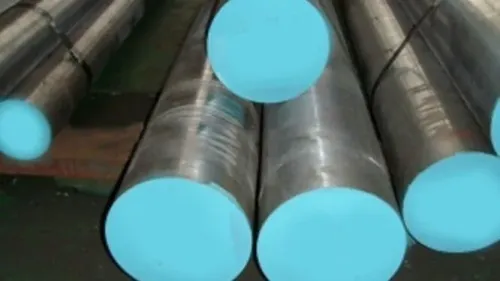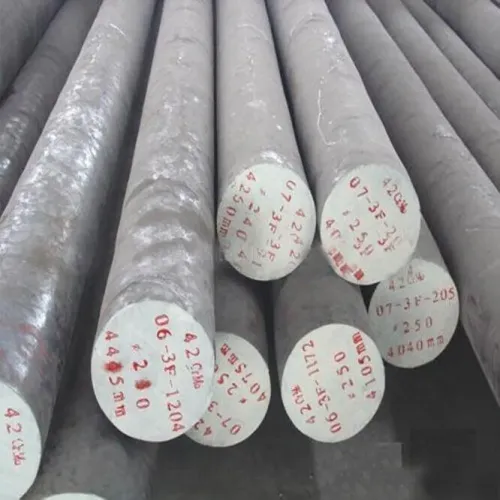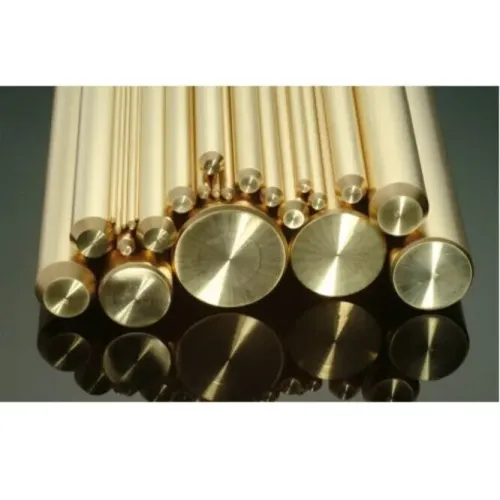

A duplex purchase is not completed when a supplier names a grade and sends a price per kilogram. You need to control the grade, product form, specification, heat-treatment condition, traceability, inspection documents and delivery handover from the first enquiry to the receiving inspection.
Key takeaways
- State the UNS grade, product form and service environment before requesting a quotation.
- Specify heat treatment, testing, certificates and traceability requirements on the purchase order.
- Match 2205, 2507 or Zeron 100 to chloride exposure and corrosion risk.
- Check heat numbers, inspection reports and delivery records before accepting the shipment.
Start with the Grade, Product Form and Service Requirement
A duplex quotation starts with three facts: the exact grade, the product form and the service environment. “Duplex special metal” is not a sufficient description because UNS S32205/ S31803 (2205), UNS S32750 (2507) and UNS S32760 differ in corrosion resistance, strength and price.
1. Name the grade and governing specification. State the UNS number and product standard, such as ASTM A240 for plate or sheet, ASTM A790 for seamless or welded pipe, ASTM A479 for bar, or ASTM A182 for forgings, flanges and fittings. Identify whether an ASME, EN or project specification also applies.
2. Describe the product form and finished dimensions. Give outside diameter, wall thickness, width, thickness, length, bore, drawing number, machining allowance, quantity and permitted tolerances. State whether you need pipe, tube, plate, round bar, hollow bar, fitting, flange, forging or machined stock.
3. State the service requirement. Include fluid, chloride concentration, seawater exposure, operating temperature and pressure, corrosion concerns, welding method and any sour-service requirement. Use PREN as a screening reference, not as proof of field performance.
4. Specify condition and records. Request solution-annealed material, required hardness or testing, EN 10204 Type 3.1 or Type 3.2 certification, original producer records and heat-number retention after cutting or machining.
5. Confirm delivery needs. State partial-length rules, packaging, inspection hold points, country-of-melt requirements and required delivery date.
This detail lets duplex metal supply be quoted against actual material and processing needs instead of a nominal grade. It also prevents an unapproved substitution or mixed heat from appearing after regional stock is cut.
How a Mumbai Supplier Converts the Enquiry into a Supply Plan
After receiving the technical enquiry, a duplex metal supplier in Mumbai checks whether the requested grade, form, dimensions and delivery date can be supported from stock, processing or new production.
This is how duplex special metal is supplied: the enquiry becomes a documented route from material allocation to delivery, not merely a price for a grade name.
1. Technical review confirms the UNS designation, product standard, solution-annealed condition, dimensions, tolerances, quantity and inspection requirements. The supplier also clarifies whether cutting, forging, heat treatment, testing or machining is included.
2. Source review identifies whether the material is mill-produced, imported, regionally stocked or processed locally. Ask which producer melted it, where it was manufactured, and how the heat number will remain traceable after cutting.
3. The quotation states the exact form, standard, size range, permitted substitutions, certificate format, inspection point, packing method and promised dispatch date. A quotation that says only “duplex steel” leaves grade and acceptance criteria unresolved.
4. After order confirmation, the supplier allocates a complete heat from stock or schedules production. If welding or fabrication is included, require the qualified welding procedure, filler specification, heat-input controls and any ferrite or corrosion tests stated in the order.
5. Before dispatch, inspection records are matched to the heat and dimensions, then the material is marked, packed against damage and released with its documents. Delivery handover should record quantities, package numbers, transport details and any shortages or deviations.
Specifications, Heat Treatment and Inspection Documents to Put on the Order
Name the UNS grade and product standard on the purchase order, not only “duplex special metal.” Specify UNS S31803 or S32205 for 2205, UNS S32750 for 2507, or UNS S32760, then state the form, dimensions, tolerance and quantity.
| Requirement | Put on the order | Evidence to receive |
|---|---|---|
| Plate or sheet | ASTM A240 or ASME SA240 | EN 10204 Type 3.1 certificate |
| Pipe | ASTM A790 or A928, as applicable | Chemistry, dimensions and test results |
| Bar | ASTM A479 or the agreed equivalent | Heat number and mechanical properties |
| Forging, flange or fitting | ASTM A182 or ASME SA182 | Forging and heat-treatment records |
| Inspection level | Type 3.2 when specified | Independent or purchaser-appointed validation |
Require solution annealing followed by rapid cooling. Slow cooling through approximately 700–1,000 °C can form sigma phase, reducing toughness and corrosion resistance. The certificate must state the heat-treatment condition and retain the original heat number through cutting, forging, testing and machining.
For each heat, request:
- Chemical analysis, including chromium, nickel, molybdenum and nitrogen
- Tensile strength, yield strength and elongation
- Hardness when specified
- Product-specific hydrostatic, ultrasonic, radiographic or corrosion-test results
- Original producer’s certificate, country of melt or manufacture where relevant
- A process statement identifying who performed melting, cutting, forging, heat treatment, testing and machining
If the order includes a welded assembly, add the qualified welding procedure, filler designation, heat-input and interpass controls, welder qualification, and ferrite or corrosion testing when specified. A cut bar or plate certificate does not prove that a completed welded component is qualified for service.
This documentation separates traceable duplex metal supply from an unsupported grade claim.
Traceability from Stock or Production to Delivery Handover
A delivered piece is traceable only when its identity survives every operation from stock allocation to unloading.
Ask the quoted duplex special metal manufacturer whether it melted the steel or supplied mill-produced or imported stock, then record the original producer, country of melt or manufacture, heat number and every operation performed: cutting, forging, solution annealing, testing or machining.
Before accepting the shipment, match these items against the purchase order, mill certificate and packing documents:
- UNS grade, such as S31803, S32205, S32750 or S32760
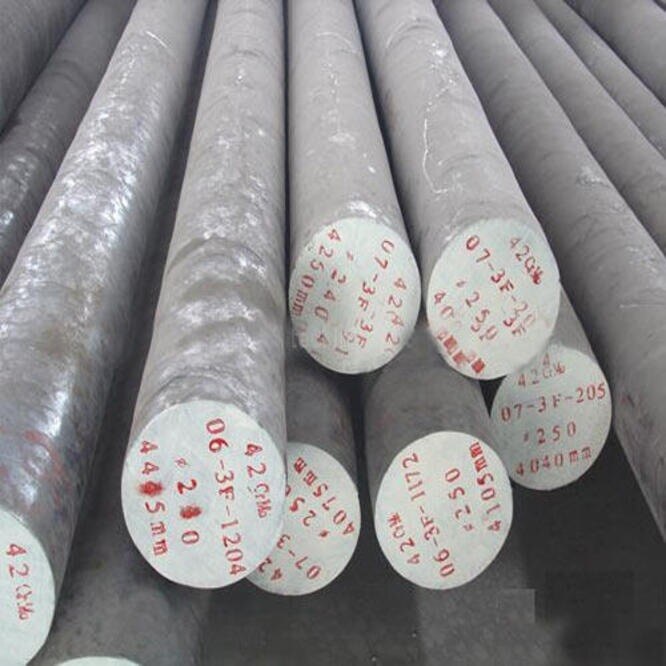
- Original heat number, reproduced on the cut piece, bundle tag and certificate
- Certificate heat-treatment condition, including solution annealing and rapid cooling
- Product form, final dimensions, tolerances and quantity
- Test results, including chemistry, tensile properties and any specified ultrasonic, liquid-penetrant or PMI examination
- Country of melt or manufacture when the order requires it
- Cutting map or remnant identification when one heat produced multiple pieces
- Dispatch note, package count, seal condition and delivery acknowledgement
Perform PMI on unidentified or mixed stock before fabrication. Handheld X-ray fluorescence can screen alloying elements and separate many stainless grades, but it cannot reliably measure carbon; use the certificate or laboratory analysis when carbon, nitrogen or low-level limits control acceptance.
Reject a piece whose heat mark is missing, altered or inconsistent with the documents until the supplier restores traceability. The supply route should show how duplex special metal is supplied from allocated stock or production through inspection, packing, dispatch and handover without an unexplained identity gap.
When Standard Duplex Is Enough—and When Super Duplex Is Worth the Cost
Choose standard 2205 when the service environment is chloride-containing but not dominated by hot seawater, stagnant deposits or severe crevice attack. Choose super duplex only when its higher pitting and crevice-corrosion resistance offsets its higher material, fabrication and inspection cost.
| Grade | Service and performance | Buying and fabrication implication |
|---|---|---|
| Standard duplex | UNS S31803/S32205, commonly called 2205; suitable for many process vessels, tanks, piping and structural components | Usually the lower-cost choice with broader stock availability; confirm solution annealing and rapid cooling |
| Super duplex | UNS S32750 or S32760; higher alloy content and higher PREN for severe chloride, seawater and offshore exposure | Worth specifying when temperature, deposits, oxygenation or crevices make 2205 vulnerable; expect tighter welding and inspection controls |
PREN is a screening figure, not a field-performance guarantee. Temperature, deposits, weld condition and fabrication history can change the result. A super-duplex grade will not rescue a poor weld procedure or slow cooling through approximately 700–1,000°C, which can form sigma phase and reduce toughness.
Compare delivered cost, not only rupees per kilogram. Include minimum mill quantity, stock size, forging reduction, machining allowance, solution annealing, PMI, ultrasonic or liquid-penetrant testing, certification, cutting loss and separate heats. Ask a duplex metal supplier in Mumbai whether it melted the material or processed stock; a “duplex special metal manufacturer” label proves neither.
When comparing a quotation from Steel Mart, require the original producer’s certificate, heat number after cutting, country of melt where relevant, and a clear record of who performed forging, heat treatment, testing or machining. A duplex special metal choice is sound only when grade, service environment and fabrication controls agree.
Related products
 | Non Ferrous Metals Duplex Stainless Steel is a high-performance special metal that combines the properties of austenitic and ferritic stainless steels, offering... View product → |
 | Non Ferrous Metals Super Duplex Stainless Steel is a high-performance special metal that combines the benefits of austenitic and ferritic stainless steels. View product → |
Frequently asked questions
What information should you provide when requesting duplex special metal?
Provide the exact UNS grade, product form, dimensions, quantity and service environment, including chloride exposure, temperature and corrosion conditions.
Which documents belong on a duplex metal purchase order?
Specify the material standard, heat-treatment condition, chemical and mechanical requirements, inspection tests, certificate type and traceability records.
How is duplex metal traced from stock or production to delivery?
The supplier links the heat number to the material, test certificate, inspection records, packing marks and delivery documents.
When is super duplex worth choosing over standard duplex?
Choose super duplex when chloride exposure, pitting risk, higher strength or severe service conditions exceed the practical limits of 2205.