
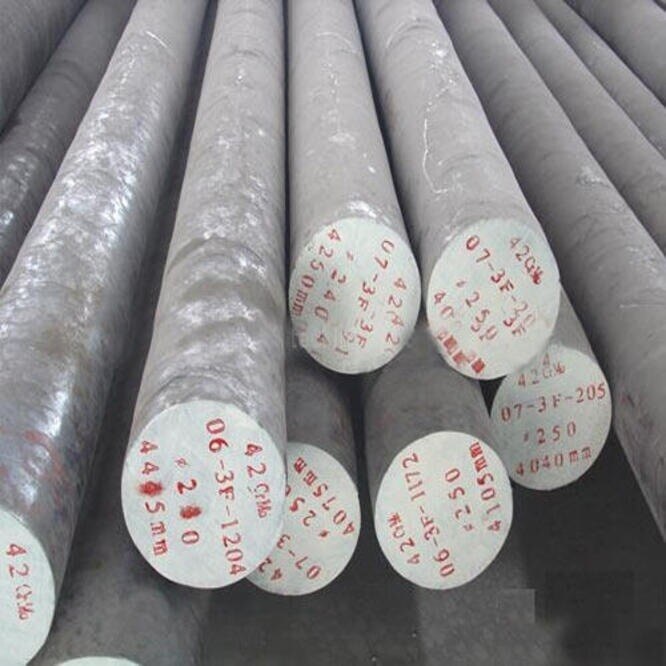
“1045 bar” identifies a steel grade, not a complete purchasing specification. Before you approve a Mumbai quotation, you need to define the chemistry, product standard, delivery condition, mechanical tests, dimensions, surface requirements, certification and packing so the material matches the finished component.
Key takeaways
- Confirm chemistry, bar form, size and delivery condition before comparing prices.
- Choose AISI 1045 against AISI 1010, 1020 and 1035 by carbon content and strength needs.
- Request heat-treatment details, test results and a material certificate with every order.
- Agree dimensional tolerances, surface condition, packing and Mumbai delivery responsibilities in writing.
Confirm What AISI 1045 Means Before Comparing Quotations
A quote for AISI 1045 is incomplete unless it states both the chemistry and the product identity. AISI/SAE 1045 names a plain medium-carbon steel, not stainless steel or chromium-molybdenum alloy steel. For aisi 1045 bar specifications before orders in Mumbai, require the following:
1. Chemical limits to the cited specification: carbon 0.43–0.50%, manganese 0.60–0.90%, phosphorus maximum 0.040%, and sulfur maximum 0.050% under SAE J403. Confirm whether the mill certificate reports heat analysis or product analysis.
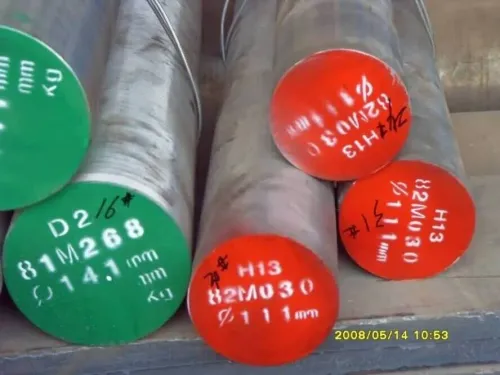
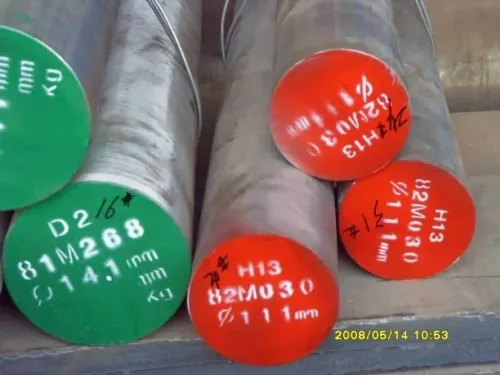
2. The product standard and form: ASTM A29/A29M for hot-wrought bar, or ASTM A108 for cold-finished bar. State whether the material is hot-rolled, forged, cold-drawn, turned, or ground; “50 mm AISI 1045 round bar” alone does not identify the commercial product.
3. The actual dimensions and supply condition: nominal or finished diameter, supplied length, length tolerance, straightness, out-of-roundness, surface finish, and quantity basis. These details change the quotation and machining allowance.
4. Any alloying additions. Chromium, nickel, or molybdenum are not implied by AISI 1045; clarify an offer labelled “alloy steel 1045” against the certificate and specified limits.
If the bar will become a shaft, pin, or gear, state case-hardness depth and core hardness separately. AISI 1045 responds well to induction or flame hardening but is not reliably through-hardened in large sections. Also address permissible decarburization and the machining allowance needed to remove the softened surface layer.
Choose 1045 Against the Right Carbon-Steel Alternative
Choose by the component’s required strength, hardness and fabrication method, not by habit. AISI 1045 suits shafts, pins and machine parts that need more strength and heat-treatment response than low-carbon grades provide. It is not an alloy steel: “alloy steel 1045” needs clarification because chromium, nickel and molybdenum additions are not implied.
| Grade | Nominal carbon | Practical advantage | Choose it when |
|---|---|---|---|
| AISI 1010 | 0.08–0.13% | Highest ductility and weldability; lowest achievable hardness and strength | The part needs severe forming, easy welding or low structural loading |
| AISI 1020 | 0.18–0.23% | Good balance of formability, weldability and moderate strength | You need a general-purpose mild-steel component without 1045-level hardness |
| AISI 1035 | 0.32–0.38% | More strength and hardness than 1020, with less welding risk than 1045 | The design needs an intermediate strength grade and limited heat treatment |
| AISI 1045 | 0.43–0.50% | Highest strength and hardenability among these four; suitable for induction or flame hardening | The component carries higher loads or needs a harder wear surface |
Higher carbon brings a cost: AISI 1045 is less forgiving during welding and forming. Plan a qualified welding procedure, preheat, low-hydrogen consumables and controlled cooling when the joint design and thickness demand them.
Ask the supplier for the actual heat analysis, not only the grade label. Compare the result with SAE J403 or the specified mill standard, then select the bar condition and size that support your machining and treatment plan.
Specify Delivery Condition, Tests and Heat Treatment
Put ASTM A29/A29M, or the agreed equivalent, beside AISI 1045 for the bar product, and cite SAE J403 for the chemical grade. “AISI 1045” alone does not define delivery condition or guaranteed strength. State whether the bar is hot rolled, normalized, cold drawn, or quenched and tempered; each condition changes machining behaviour, hardness and strength.
| Condition | What it means | What to require |
|---|---|---|
| Hot rolled | Supplied after rolling without a specified heat-treatment cycle | Dimensional tolerance, surface allowance and minimum mechanical values |
| Normalized | Heated above the transformation range and air cooled | Normalizing temperature or cycle, tensile test and hardness limits |
| Cold drawn | Reduced at room temperature for tighter size and improved finish | Drawing reduction, hardness and tensile requirements |
| Quenched and tempered | Hardened, then tempered to obtain a controlled strength level | Quench medium, tempering temperature, hardness and tensile minimums |
Specify the mechanical test method, specimen location and direction, along with minimum yield strength, tensile strength, elongation, reduction of area and hardness. Do not accept a hardness value without the scale, such as HBW or HRC, and the test standard; ASTM A370, ASTM E10 or ASTM E18 may govern the test.
Require a mill certificate showing actual chemistry, heat number, supplied condition, test results and the heat-to-bundle marking link. If you need EN 10204 Type 3.1 certification or third-party inspection, put it in the purchase order. For induction- or flame-hardened shafts, add case depth, case hardness and core hardness; a surface reading does not prove through-hardness.
Control Dimensions, Surface Quality and Mumbai Transport
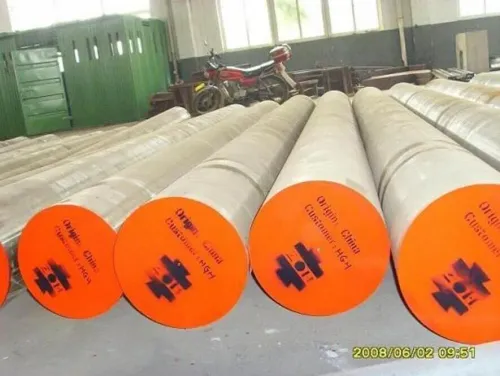
A 50 mm AISI 1045 round bar can arrive as hot-rolled, forged, cold-drawn, turned or ground stock. Your aisi 1045 bar specifications before orders in mumbai checklist must state whether 50 mm is nominal or finished diameter, plus supplied length, length tolerance, straightness, out-of-roundness and quantity basis.
| Product form | Applicable reference | Main control |
|---|---|---|
| Hot-rolled or forged | ASTM A29/A29M | Scale, forging surface and wider dimensional variation |
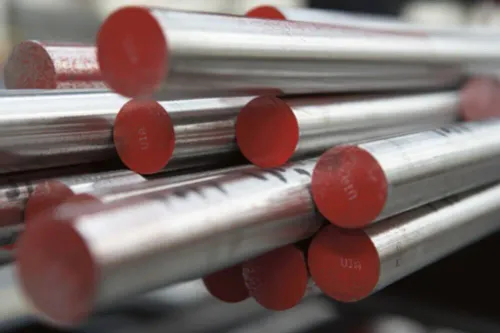
| Cold-finished | ASTM A108 | Closer size tolerance and improved surface |
| Turned or ground | Supplier’s stated finished-size tolerance | Machining allowance and final surface inspection |
Put these details on the purchase order:
- State the form, diameter or section size, cut length, length tolerance, straightness limit and out-of-roundness limit.
- Define surface acceptance separately: normal hot-worked scale is not the same as a seam, lap, crack or gouge.
- State whether inspection occurs as supplied, after descaling or after machining.
- Set a permissible decarburized depth, and require machining allowance beyond that layer when induction hardening or a tight final diameter is planned.
A soft decarburized skin can leave an induction-hardened shaft with inadequate case depth. If hardening is required, specify case hardness, case depth and core hardness rather than accepting a surface-only result.
Carbon steel 1045 can flash-rust during humid Mumbai storage or seawater exposure. Require dry packing with water-resistant wrapping or VCI protection, and use banding and edge protection that prevent movement damage during transport.
Turn the Requirements Into a Purchase-Order Checklist
A quote for “AISI 1045 round bar” is incomplete. Put the grade, governing standard, condition, test requirements and delivery controls on the purchase order before comparing the final price.
1. State AISI/SAE 1045, the product standard such as SAE J403 or ASTM A29/A29M, bar form, nominal size, length and dimensional tolerance. If a supplier offers AISI 1035 instead, require written approval; do not accept an automatic substitution.
2. Specify the supplied condition: hot-rolled, forged, normalized, bright-finished or quenched and tempered. Add the required tensile strength, yield strength, elongation and hardness, with the test location and direction.
3. If the part will be induction- or flame-hardened, state case hardness, effective case depth and minimum core hardness. A chemistry certificate alone does not guarantee these results in a large shaft, pin or gear.
4. Define surface acceptance: distinguish removable hot-rolled or forged scale from rejected seams, laps, cracks and gouges. State whether inspection occurs as supplied, after descaling or after machining.
5. Set the decarburization limit and machining allowance. A soft decarburized layer can cause an induction-hardened shaft to miss its final diameter or surface hardness.
6. Require a mill certificate showing actual chemistry, heat number, supplied condition and governing standard. Require heat-number traceability from the certificate to each bundle or bar, plus EN 10204 3.1 or third-party inspection where needed.
7. For Mumbai transport or humid storage, specify dry packing with water-resistant wrapping or VCI protection.
Send this same checklist to Steel Mart and verify each line against its quotation, certificate sample and dispatch plan before release.
Frequently asked questions
What should you confirm before comparing AISI 1045 bar quotations?
Confirm that each quotation identifies AISI/SAE 1045, the bar form, dimensions, quantity, delivery condition, applicable specification and required test documents.
How does AISI 1045 compare with AISI 1010, 1020 and 1035?
AISI 1010 and 1020 contain less carbon and generally offer easier forming and machining. AISI 1035 sits between them and 1045 in carbon content. AISI 1045 suits applications needing higher strength and hardness after suitable processing.
Which delivery condition and heat-treatment details belong on the order?
State whether you need hot-rolled, cold-drawn, normalized, annealed or quenched-and-tempered bar. Specify the required hardness or mechanical properties and request the heat-treatment record when it affects performance.
What dimensions and surface details should Mumbai buyers specify?
State nominal diameter or section, length, quantity tolerance, dimensional tolerance, straightness, surface condition and any machining allowance. Confirm packing, loading point, transport responsibility and delivery location.