
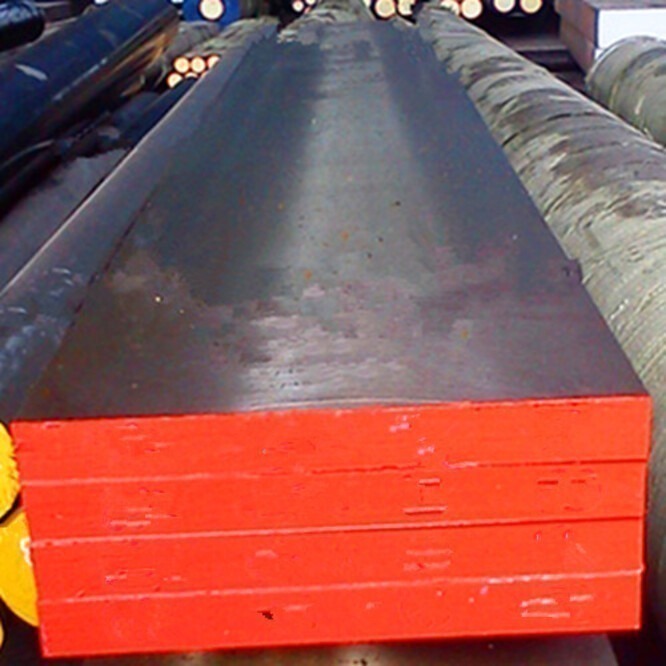
AISI 1030 is a medium-carbon steel grade commonly considered for engineering components that need a practical balance of strength, machinability, and cost. For manufacturers, fabricators, maintenance teams, and engineering buyers in Mumbai, understanding the characteristics of AISI 1030 can make material selection easier and reduce the risk of specifying a grade that does not suit the intended application.
With approximately 0.30 percent carbon, AISI 1030 sits between low-carbon steels and higher-carbon engineering steels. Its composition gives it better strength and hardness potential than many mild steels while retaining workable machining and forming characteristics.
Where Is AISI 1030 Commonly Used
AISI 1030 may be selected for general engineering components such as:
- Shafts and pins
- Bolts and fasteners
- Machinery components
- Forged parts
- Levers and connecting components
- Agricultural equipment parts
- General fabricated components
The actual suitability depends on dimensions, loading conditions, manufacturing process, heat treatment, and applicable engineering specifications.
For Mumbai's diverse industrial market, this versatility is useful. Engineering businesses serving machinery, fabrication, maintenance, automotive support, infrastructure, and general manufacturing frequently need steels that can accommodate different production methods without moving immediately to higher-alloy materials.
Machining and Fabrication Considerations
AISI 1030 can be machined using conventional processes when suitable tooling and cutting parameters are used. Buyers should consider the supplied condition of the steel because hardness and prior processing can influence machining behaviour.
Welding also requires attention. Since the carbon content is higher than that of typical low-carbon structural steel, welding procedures should be selected according to material thickness, component design, and service requirements. Depending on the application, controlled preheating or other welding precautions may be appropriate.
Heat treatment can further modify mechanical properties. Normalizing, annealing, hardening, and tempering may be considered depending on the required final characteristics. The appropriate process should be determined from the component's engineering requirements rather than assuming one treatment is suitable for every application.
What Buyers Should Specify
A common procurement mistake is ordering steel by grade name alone. A more complete enquiry should include the required form, dimensions, quantity, condition, tolerances, and any applicable testing or documentation requirements.
For example, a machine shop buying material for shafts may have very different requirements from a fabricator purchasing material for less demanding components. Even when both enquiries specify AISI 1030, their dimensional and processing expectations can differ substantially.
Buyers in Mumbai, Maharashtra, should also account for downstream operations. If material will undergo extensive machining, forging, welding, or heat treatment, those processes should be considered before finalizing the purchase specification.
Steel Mart serves customers looking for engineering and industrial steel grades in Mumbai. A technically clear enquiry helps the supplier identify whether the requested grade, size, and supply condition correspond with the intended manufacturing requirement.
Why Grade Selection Matters
Material selection affects more than the initial steel cost. Choosing an unsuitable grade can create machining difficulties, unnecessary processing, component performance issues, or material wastage. Conversely, specifying a grade with properties far beyond the application can increase procurement and processing costs without providing a meaningful advantage.
AISI 1030 therefore makes sense when its combination of carbon content, strength potential, machinability, and processing characteristics matches the actual component design.
For engineering buyers, the best approach is to begin with the application rather than the grade name. Identify the loads, manufacturing processes, required dimensions, surface or tolerance requirements, and expected service conditions. Then confirm whether AISI 1030 provides the required material characteristics. This application-led approach supports more reliable steel procurement across Mumbai's manufacturing and engineering sector.