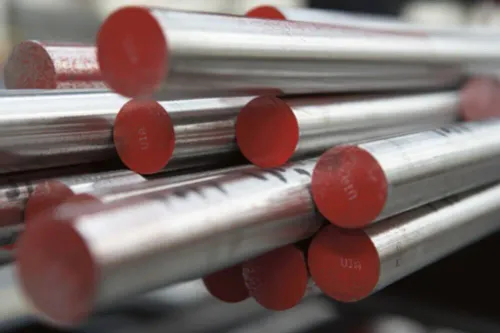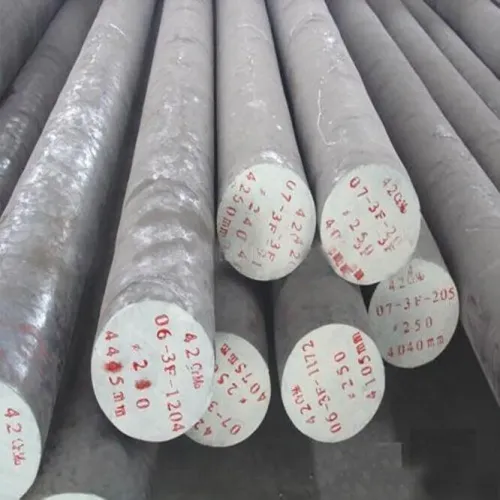

Choosing super duplex is not as simple as asking for 2507 or comparing an INR-per-kilogram quote. You need to match the UNS grade, product standard, dimensions, condition, service environment and fabrication procedure before the material reaches the workshop. By the end, you can write a purchase enquiry, compare supplier quotes and identify controls that protect the finished component from welding and heat-treatment damage.
Key takeaways
- Specify the UNS grade, product form, dimensions, and ASTM standard before requesting prices.
- Compare quotes using grade, testing, certification, tolerances, and delivery—not price per kilogram alone.
- Control heat input and interpass temperature during welding to protect duplex phase balance.
- Verify heat numbers, mill certificates, dimensions, weld quality, and corrosion-critical surfaces before acceptance.
What super duplex grade are you actually buying?
Before you order, identify the exact UNS grade and product standard; “super duplex special metal” is commercial wording, not a complete specification. Super duplex stainless steel has an austenitic-ferritic two-phase microstructure, giving it higher strength than 300-series stainless steel and strong resistance to chloride pitting and stress-corrosion cracking.
- Confirm the grade on the material test report. UNS S32750 is commonly called 2507; UNS S32760 is commonly associated with Zeron 100. These designations are not interchangeable: check the heat number, chemical composition and applicable product standard before accepting a substitution.
- Compare the stated chemistry using PREN = %Cr + 3.3(%Mo) + 16(%N). Chromium, molybdenum and nitrogen raise comparative resistance to pitting; super duplex grades generally have a PREN of at least 40.
- Check the welding basis. Welding must preserve the austenite-ferrite balance, because excessive ferrite, excessive austenite or harmful intermetallic phases can reduce corrosion resistance and toughness. Require a procedure qualified for the exact grade, thickness and service.
- Treat PREN as a comparison, not a corrosion guarantee. Surface condition, weld quality, microstructure and fabrication history also control performance; contamination, crevices and unsuitable finishing can still cause attack.
A usable enquiry therefore states the UNS grade, standard, form, dimensions, quantity, condition, tolerances and documents. Never order solely against “super duplex” or “super duplex special metal.”
Where does super duplex justify its cost?
Super duplex justifies its cost when chloride pitting, crevice corrosion, stress-corrosion cracking and pressure strength outweigh higher material, fabrication and inspection costs. It is not immune to crevice corrosion, contamination or unsuitable surface finish.
| Option | Best fit | Trade-off |
|---|---|---|
| 316L | Low-to-moderate chloride water, indoor fabrication and easy forming | Broad availability and easier welding, but lower strength and weaker chloride resistance |
| Duplex 2205 | Less severe chloride service, process equipment and many pressure components | Lower cost than super duplex, but less pitting and crevice-corrosion margin in seawater |
| Super duplex | Seawater, offshore equipment, chloride-bearing water and demanding pressure components | Higher strength and corrosion resistance, but tighter welding control, lower availability and higher fabrication cost |
| Nickel alloy | Chemical process service or temperatures beyond the selected super-duplex grade’s qualified limits | Strong chemical or high-temperature performance, but usually higher cost and different fabrication controls |
Choose super duplex for seawater piping, offshore pressure equipment or concentrated chloride service when 2205 lacks the required corrosion margin and 316L would risk rapid pitting or stress-corrosion cracking. Its strength can also reduce wall thickness, offsetting part of the material premium.
Do not choose it for low-corrosion indoor fabrication, parts requiring extensive forming, service beyond the grade’s qualified temperature or chemical limits, or a project without a qualified welding procedure.
Super duplex metal fabrication needs controlled heat input, interpass temperature, filler selection, shielding and surface cleaning; a poor weld or embedded iron contamination can erase its design advantage.
What should a Mumbai supplier quote?
A usable quote from a super duplex metal supplier in Mumbai names the material you can actually buy, not merely “super duplex” or “2507.” Require these details:
| Quote item | Require | Why it matters |
|---|---|---|
| UNS grade | S32750 or S32760 | Confirms chemistry and acceptance criteria |
| Product form | Bar, plate, pipe, forging or machined part | Determines the governing standard |
| Dimensions and quantity | Finished size, starting size and pieces or weight | Reveals yield and machining allowance |
| Tolerances and condition | Size limits, forged, hot-finished or solution-annealed | Prevents unusable stock |
| Traceability | Heat number and material test report | Links the piece to test results |
| Standard and tests | Product standard, inspection level and required tests | Defines compliance |
| Delivery | Dispatch date, packing and preservation condition | Exposes the real lead time |
ASTM A182 applies to forged or rolled stainless-steel flanges, forged fittings and valves. ASTM A790 applies to seamless and welded ferritic/austenitic stainless-steel pipe. An A790 pipe certificate does not automatically qualify bar or forging stock; match the standard to the finished product.
The super duplex price in Mumbai depends on grade, form, dimensions, mill route, minimum quantity, certification, testing, machining allowance, freight, taxes, currency movement and delivery time. Compare usable yield, scrap, machining effort, inspection cost and lead time, not INR/kg alone.
Steel Mart can be considered for forged or machined stock, but your enquiry must still demand grade-specific traceability, dimensions, condition and documents. A super duplex stockist in Mumbai holding “in-stock” material must prove that it is immediately usable.
Related product
 | Non Ferrous Metals Super Duplex Stainless Steel is a high-performance special metal that combines the benefits of austenitic and ferritic stainless steels. View product → |
How do you fabricate super duplex without damaging it?
Fabricate it with rigid fixturing, sharp supported tooling and grade-specific parameters. Super duplex metal fabrication punishes light clamping, tool dwell and rubbing: high strength, rapid work hardening and poor heat dissipation accelerate wear and leave a hardened surface.
Use cutting data specified for the exact grade, operation and tool material; generic stainless feeds and speeds can damage both tool and workpiece.
1. Cut with stable support and continuous tool engagement. Drill with the recommended point geometry, feed and peck cycle for the grade, rather than copying 316L data. Form within the qualified radius and temperature limits; excessive cold work can crack edges or raise local hardness.
2. Prepare edges by machining or controlled grinding with clean, dedicated abrasives. Remove burrs, heat tint, embedded iron and sharp notches before welding. Do not use contaminated tools or carbon-steel wire brushes.
3. Weld only to a qualified procedure for the exact grade, thickness, process and service. Control heat input and interpass temperature, maintain effective shielding and purge gas, select compatible filler metal, and protect the joint from moisture, oil, iron and other contamination.
4. Prevent ferrite-austenite imbalance. Excessive heat, high interpass temperature or slow cooling can form sigma, chi and other intermetallic phases, reducing toughness and corrosion resistance. Apply solution annealing followed by rapid cooling when the grade or component specification requires it.
Post-weld heat treatment is not a routine repair for poor welding. A completed assembly can distort, oxidise, exceed furnace size or become impossible to solution-anneal and quench correctly, so prevention through procedure qualification is the practical control.
How should you verify the stock and finished fabrication?
A usable certificate must connect the piece in your hands to one heat and to the purchase specification; an “in stock” label proves neither. Check the material test report for:
1. Heat-number traceability, exact grade, chemical composition including nitrogen, tensile properties, and hardness where specified.
2. The solution-annealing condition and any corrosion or microstructural tests required by the purchase specification. Positive material identification can confirm chromium, nickel and molybdenum, but it cannot reliably verify nitrogen, phase balance or weld integrity.
3. Actual stock details before accepting availability: dimensions, tolerances, straightness, machining allowance, heat identity, preservation condition, and whether the item is forged, hot-finished or solution-annealed. Nominal size alone can leave you with unusable machining stock.
4. For fabricated parts, request the qualified welding procedure specification for the exact grade, thickness and process, the welder qualification, and complete weld inspection records. Obtain any ferrite, phase-balance, corrosion or surface-finish checks named in the purchase specification.
5. Confirm the required final cleaning. Where service conditions demand it, specify pickling and passivation, or mechanical finishing, to remove heat tint and embedded iron or other contamination; otherwise a sound weld can still develop premature corrosion. Preserve the records with the component’s heat and fabrication identification.
Frequently asked questions
What super duplex grade are you actually buying?
Identify the exact UNS grade, product form, dimensions, and product standard. “Super duplex special metal” is not a complete material specification.
Where does super duplex justify its cost?
It suits chloride-rich, high-strength applications where resistance to pitting, crevice corrosion, and stress-corrosion cracking outweighs its higher purchase and fabrication cost.
What should a Mumbai supplier quote?
Request the UNS grade, standard, size, quantity, condition, testing documents, certification, machining or fabrication scope, delivery time, freight, taxes, and price basis.
How do you fabricate super duplex without damaging it?
Use qualified welding procedures, controlled heat input, suitable duplex filler metal, clean tooling, correct interpass temperature, and pickling or passivation where specified.
How should you verify the stock and finished fabrication?
Match heat numbers to mill certificates, check dimensions and surface condition, review test results, and inspect welds and finish against the purchase specification.