
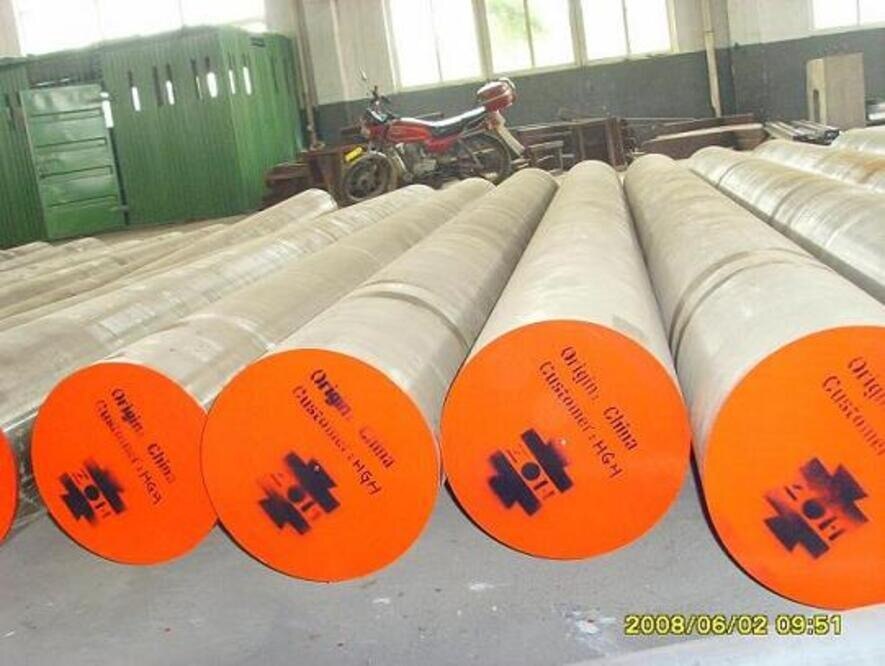
A search for “Hastalloy C276” can produce mismatched grades, incomplete certificates and prices that cannot be compared. By checking the formal designation, service conditions, product standard, traceability and quote basis, you can identify whether C-276 fits your equipment and whether a Mumbai supplier has offered the right material.
Key takeaways
- Specify UNS N10276 and Werkstoff 2.4819 before requesting quotes.
- Match C-276 to acids, chlorides, temperature, welds, and forming requirements.
- Compare total delivered cost, including testing, machining, freight, and documentation.
- Request heat numbers, chemical analysis, mechanical results, and inspection certificates.
Confirm the grade before you ask for a Mumbai supplier
Specify HASTELLOY C-276, UNS N10276, also identified as Werkstoff 2.4819. It is a nickel-chromium-molybdenum-tungsten alloy, not a generic “Hastelloy” grade. Typical limits include about 16% chromium, 16% molybdenum, 4% tungsten, 5% iron, maximum 2.5% cobalt and maximum 0.01% carbon, with nickel as the balance.
1. State the product form: plate, sheet, bar, tube, pipe, forging or machined component. “C-276 alloy” alone can produce a quotation for the wrong form.
2. Name the applicable ASTM or ASME product specification, along with dimensions, tolerance, quantity and cut lengths.
3. Specify the required condition. For solution-annealed material, ask the supplier to identify the supplied condition and confirm heat treatment near 2050°F (1121°C) followed by rapid cooling.
4. Require the original mill test certificate showing actual chemistry, mechanical test results, heat number, product specification, dimensions and country of manufacture.
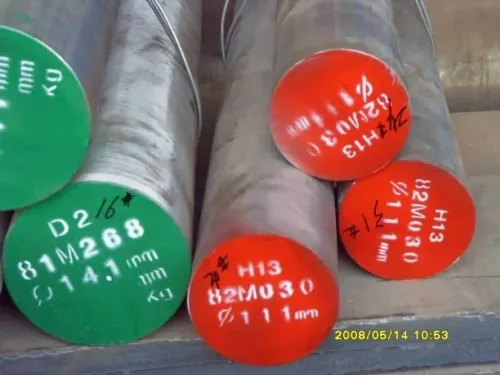
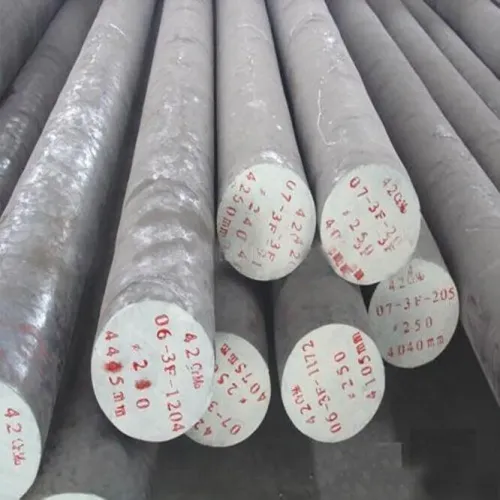
5. Make traceability a delivery condition: the heat number must match the marking on every bar, plate, forging or machined piece.
A Hastelloy C-276 supplier in Mumbai or a hastelloy supplier in mumbai should distinguish stocked imported material, distributor-arranged mill supply and fabricated stock. Compare those offers by certification, size availability, minimum quantity and lead time rather than by the alloy name alone.
Match C-276 to the corrosive service and fabrication method
C-276 earns consideration when wet, mixed, or chloride-bearing chemistry defeats ordinary stainless steel and when the equipment cannot tolerate rapid corrosion between shutdowns. Typical applications include flue-gas desulfurisation scrubbers, absorber towers, ducting, pollution-control equipment, chemical reactors, heat exchangers, piping, valves, and pump components exposed to wet chlorine, sulfuric acid, hydrochloric acid, or mixed acids.
| Environment | Suitable C-276 application | Review before specifying |
|---|---|---|
| Wet chlorine and chloride-bearing scrubber liquor | FGD scrubbers, ducts, piping, pumps and valves | Check temperature, chloride concentration, erosion and crevice geometry |
| Reducing or mixed acids | Reactors, heat exchangers, transfer lines and vessels | Confirm acid concentration, contaminants and oxygen level |
| Oxidising acid service | Chemical process equipment | Review carefully; hot concentrated nitric acid is not an automatic C-276 application |
| Hydrofluoric acid, molten salts or severe localised attack | No automatic grade selection | Obtain a corrosion review and project-specific design basis |
A hastelloy c276 metal supplier should identify the supplied product form and condition, not just label it “C-276.” Solution annealing is performed at approximately 2050°F (1121°C), followed by rapid cooling; request the heat-treatment record or product certificate for critical equipment.
C-276 is weldable in the as-welded condition because its low carbon and low silicon chemistry limits grain-boundary precipitation, but do not copy a stainless-steel welding procedure. Control heat input, interpass temperature, surface cleanliness and filler-metal selection, then inspect welds against the equipment specification.
Use the material certificate and process design basis to confirm chemistry limits, mechanical properties and service-temperature limits.
Compare C-276 with stainless steel and other nickel alloys
Choose C-276 when chloride, wet chlorine, and mixed-acid exposure make 316L stainless steel an expensive corrosion failure rather than a bargain. Its nickel-chromium-molybdenum-tungsten chemistry gives it broad resistance across reducing and oxidising process streams, but you pay more and machine slower because the alloy work-hardens and conducts heat poorly.
| Option | Advantage over C-276 | When C-276 is the better choice |
|---|---|---|
| 316L stainless steel | Lower material, fabrication, and machining cost | Use C-276 for hot chlorides, wet chlorine, sulfuric acid mixtures, scrubbers, or localised-attack risk |
| Alloy 625 | Higher strength for demanding high-temperature components | Use C-276 when aqueous mixed-acid corrosion matters more than strength-to-weight performance |
| Alloy 22 | Stronger resistance in some highly oxidising, pitting, and crevice environments | Use C-276 when reducing acids and process variability dominate |
| Alloy 825 | Lower-cost option for selected sulfuric-acid and chemical services | Use C-276 when the stream combines chlorides with reducing or oxidising acids |
Do not select C-276 solely because a datasheet says “corrosion resistant.” Hot concentrated nitric acid, hydrofluoric-acid service, molten salts, and severe crevices require a corrosion review against the project chemistry, temperature, concentration, and flow conditions.
A hastelloy supplier in mumbai should quote C-276 against UNS N10276, the required ASTM or ASME product standard, and the actual form. Compare the heat number, chemistry, condition, and testing records, not just the alloy name. A cheaper quote for 316L or an uncertified nickel alloy is not an equivalent alternative.
Build a supplier enquiry that produces comparable quotations
Send a single specification pack to every hastelloy special metal stockist in Mumbai; “Hastelloy C-276” alone leaves too much room for unsuitable forms, unclear conditions and uncertified substitutes. Use the formal identification: HASTELLOY® C-276, UNS N10276, and, where required by your project, Werkstoff 2.4819.
Include these details in the enquiry:
- Product form: plate, sheet, bar, pipe, tube, forging or machined component.
- Applicable ASTM or ASME product specification, plus any project or inspection standard.
- Finished dimensions, required tolerance, quantity and whether dimensions are before or after machining.
- Required supplied condition, such as solution annealed, with heat-treatment records if the equipment is critical.
- Testing requirements, including chemical analysis, tensile testing, hardness, ultrasonic testing or third-party inspection.
- Original mill test certificate, heat number, certificate format and acceptance criteria.
- Cut-length requirements, machining allowance, packaging and marking.
- Country of manufacture, requested delivery date and exact delivery location.
Ask each hastelloy c276 metal supplier to state whether the material is local stock, imported stock, mill-direct supply or a fabricated part. Those routes differ in minimum quantity, lead time and traceability.
A quotation from Steel Mart is comparable with an imported mill offer only when both suppliers provide the same grade, standard, condition, testing and delivery basis.
Reject any certificate that does not identify the heat and match that number to the bar, plate, forging or component delivered. “Annealed” without a defined condition or supporting record is not a comparable technical offer.
Related product
 | Non Ferrous Metals Hastelloy C-276 is a premium corrosion-resistant special metal alloy composed mainly of nickel, molybdenum, and chromium, with controlled amounts of... View product → |
Judge Hastelloy C-276 price by the complete delivered specification
A hastelloy c276 price is meaningful only when the delivered specification is identical. UNS N10276, Werkstoff 2.4819, product form, ASTM or ASME standard, dimensions, tolerance, supplied condition and quantity all affect the quote. A cut plate, forged ring and machined valve component are not comparable on a per-kilogram basis.
- Product form and size: plate, bar, pipe, tube, forging or finished component carry different conversion costs.
- Certification: an original mill test certificate, third-party testing, PMI, ultrasonic testing and other inspection add cost.
- Supply route: local stock can shorten delivery; imported or mill-direct material can offer wider sizes but higher minimum quantities.
- Order details: cut lengths, machining, packing, freight, import duties, taxes, currency and delivery time change the landed figure.
- Unit basis: compare kilogram with kilogram, metre with metre, or finished piece with finished piece.
Verify the shipment before releasing it to fabrication. “Hastelloy” printed on a label is not proof of C-276.
- Match the heat number stamped or tagged on every bar, plate, forging or component to the original mill test certificate.
- Check that the certificate states UNS N10276, the product specification, supplied condition, dimensions and country of manufacture.
- Compare the reported chemistry with the specified standard, including chromium, molybdenum, tungsten, iron, carbon and nickel balance.
- Measure thickness, diameter, length and tolerances against the purchase order.
- Request PMI or independent laboratory testing when markings are missing, altered, inconsistent or critical service justifies confirmation.
Frequently asked questions
How do you confirm that a material is Hastelloy C-276?
Specify HASTELLOY C-276, UNS N10276, and Werkstoff 2.4819, then verify the heat number, chemical analysis, and material certificate.
When is Hastelloy C-276 suitable for corrosive equipment?
Use C-276 when the service combines aggressive acids, chlorides, wet chlorine, or reducing and oxidising conditions, after checking temperature and weld exposure.
How does Hastelloy C-276 compare with stainless steel?
C-276 provides broader resistance to severe mixed corrosion than common stainless steels, but stainless steel is often cheaper and easier to source for milder service.
What should a supplier enquiry for Hastelloy C-276 include?
Include UNS grade, product form, dimensions, quantity, tolerances, surface condition, test requirements, delivery location, inspection documents, and machining or fabrication needs.